Author: Funimag

  • Duluth, 7th Avenue West Incline – Solution of Quiz #25 (Part 1)

    Part 1 / Première partie

    Duluth, Minnesota (USA)

    The 7th Avenue West Incline was built in 1891 to climb on the top of the Beacon Hill 500 feet above the Duluth harbour on the lake Superior.
    In 1893, the Beacon Hill Pavilion was built just beside the top station of the incline. It was a big building devoted to concerts, picnics and special events. It was able to receive 5000 people at a time inside and outside in the park.
    Le funiculaire de la 7th Avenue West a été construit en 1891afin de pouvoir grimper sur la colline Beacon Hill située à près de 100 mètres au dessus du port de Duluth sur le lac Supérieur.
    En 1893, le bâtiment Beacon Hill Pavilionfut construit juste à côté de la gare supérieure du funiculaire. C’était une grand bâtiment fait pour des concerts, picnics et lieu évènementiel. Il pouvait accueillir 5000 personnes avec son parc.

    (click on the picts to enlarge / cliquer sur les photos pour les agrandir)


    1900 – People watching hot-air balloon event at Beacon Hill. The Beacon Hill Pavilion (right), with the top station of the incline (center) and one of the incline car (left). This was the end position of the cars at the top station. The car did not enter in the hangar.
    1900 – La foule regarde la préparation d’une ascension en ballon. Le Beacon Hill Pavilion (à droite) la gare supérieure du funiculaire (au centre) et une des deux voitures (à gauche). C’était la position finale de la voiture à la station supérieure. La voiture ne rentrait pas à l’intérieur du hangar.


    The incline was a funicular with two large counterbalanced cars large enough to carry horses and passengers running on two parallel tracks. The cars were opened on the front and back to let passengers ans horses in. It was powered by a steam engine located in a large hangar at the top of the track beside the Beacon Hill Pavilion.
    C’était un funiculaire avec deux grandes voitures (plates formes) suffisamment grandes pour transporter des passagers et des chevaux. Il était propulsé par une machine à vapeur située dans le grand hangar de la gare supérieure à côté du Beacon Hill Pavilion.


    1900 – The incline at Beacon Hill / Le funiculaire au sommet du Beacon Hill

    The top station of the incline provided shelter to the steam engine (see the chimney) and was also a transfer station with the Highland Park tramway line which started just on the other side of the top station (left on the photo below).
    La gare supérieure du funiculaire hébergeait la machine à vapeur (voir la cheminée) et servait aussi à la correspondance avec le tramway de la ligne de Highland Park qui commençait de l’autre côté de la gare du funiculaire (à gauche sur la photo ci-dessous).


    1900 – Top station of the incline / Gare supérieure du funiculaire
    Note the gap between the car and the station. We can see the cables in the gap!
    Notez l’espace entre la voiture et la gare! On aperçoit même les câbles dans l’intervalle!


    1900 – The Highland Park street car / Le tramway de la ligne Highland Park
    The Beacon Hill Pavilion in the background. The top station of the incline can be seenon the right, behind the snow heap.
    Le Beacon Hill Pavilion est en arrière plan de la photo ci-dessus. On aperçoit la gare supérieure du funiculaire derrière le gros tas de neige à droite.


    1900 – Bottom station / La gare basse
    The bottom station was located on the West Superior Street. The two cars can bee seen on the top of the track, in fact the middle of the line. Note the two wooden gates from where it was possible to access directly through the front of the cars.
    La gare inférieure du funiculaire était située sur la West Superior Street. On aperçoit les deux voitures en haut de la voie… en fait à mi-distance. Notez aussi les deux portails en bois qui donnaient de front accès aux voitures.

    May 28, 1901 – The fire / L’incendie

    On May 28, 1901 there was a fire in the steam powerhouse of the top station of the incline!
    The fire destroyed the top station… and spread to the Beacon Hill Pavilion which was destroyed too!
    Le 28 mai 1901, il y eu un violent incendie dans la gare supérieure du funiculaire!
    Le feu détruisit complètement la gare… mais il se propagea aussi au Beacon Hill Pavilion qui fut entièrement détruit aussi!
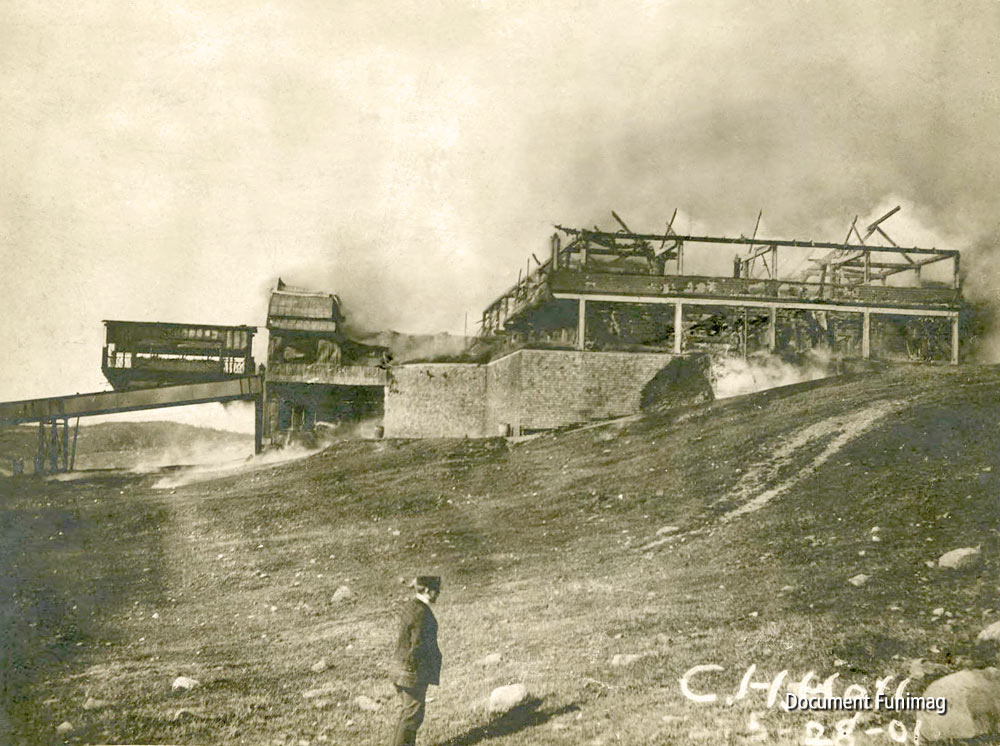
    May 28, 1901 – Smoking ruins of the Beacon Hill Pavilion and top station / Ruines fumantes du Beacon Hill Pavilion et de la gare supérieure
    This document is exceptional! It shows the still smoking ruins and the car still at the burnt top station…
    In a few minutes… the cable, which still maintain the car, will break due to the heat which melt the cable!
    The car hurtled down to the bottom of the slope… and pulverized the bottom station at West Superior street!
    Ce document est exceptionnel! Il montre les ruines encore fumante du Beacon Hill Pavilion et de la gare supérieure du funiculaire mais aussi la voiture encore stationnée à la gare…
    Dans quelques minutes… le câble, qui maintient la voiture,  va se rompre car il a fondu sous l’effet de la châleur! la voiture va dévaler la pente pour aller fracasser la gare inférieure!


    May 28, 1901 – After the fire, the wreck of the incline / Après l’incendie, l’accident de la voiture à la gare basse
    At West Superior street, the bottom station was pulverized by the car on the right track; the car was also pulverized! Nobody were injured because after the fire at the top station, the rupture of the cable was predicted and the bottom station was evacuated!
    A la West Superior street, la gare inférieure a été pulvérisée par la voiture de droite qui elle-même a été pulvérisée! Il n’y eu pas de victimes parce qu’après l’incendie la rupture du câble avait été prévue et la gare basse avait été évacuée!


    May 28, 1901 – The wreck of the incline / L’accident du funiculaire
    This is the photo of Quiz #25
    The car seems intact but the bottom station was pulverized! Note the frontal entrance of the car.
    Et voilà la photo du Quiz #25
    La voiture semble intacte alors que la gare basse a été pulvérisée! Notez l’entrée frontale de la voiture.


    May 28, 1901 – The wreck of the incline / L’accident du funiculaire
    On this document, you can see the details of the car. It was mostly a platform for carriages and horses. There was a small compartment for passengers on the exterior side of the cars.
    Sur ce document on peut voir les détails de la voiture. C’était une plate forme pouvant transporter des chariots, des chevaux et des passagers qui disposaient d’une petite cabine allongée sur le côté extérieur des voitures.


    May 28, 1901 – The top station after the fire / La gare supérieure après l’incendie
    This photo was taken after the rupture of the cable… the top car is not there anymore!
    Interesting details of the pulleys.
    Cette photo a été prise après la rupture du câble… la voiture qui était stationnée à la gare supérieure n’est plus là! Détails intéressants des grandes poulies.


    May 28, 1901 – The top station after the fire / La gare supérieure après l’incendie

    End of part 1 / Fin de la première partie

    The photos are from the Minnesota Digital Library and with a big work for rebuilding!


    See also these posts / Voir aussi ces articles:

    Duluth, 7th Avenue West Incline (Part 2)

    Belt Line Incline – Duluth, Minnesota

  • There will be no funicular to the Jungfrau !

    Yesterday the Jungfraubahnen published an official report which announces that the project of the funicular to the Jungfraujoch (3454 m) will not be realized!
    To increase the maximum daily capacity of visitors from 4400 to 6000 visitors, Jungfraubahnen will modernize the actual cog wheel trains with improvement of train speed to reach a 90 minutes duration of the round trip instead of the current 120 minutes duration .

    Il n’y aura pas de funiculaire pour monter à la Jungfrau!

    Hier les Jungfraubahnen ont publié un communiqué annonçant que le projet de funiculaire souterrain qui devait relier directement Lauterbrunnen au Jungfraujoch (3454 m) a été abandonné!
    Afin d’augmenter la capacité journalière des visiteurs, de 4400 visiteurs actuels à 6000, au Top of Europe, les Jungfraubahnen ont choisi de moderniser le train à crémaillère avec des motrices plus rapides. Le but à atteindre serait de réaliser un aller retour au toit de l’Europe en 90 minutes au lieu des 120 minutes actuelles.

    (click on the picts to enlarge / cliquer sur les photos pour les agrandir)


    The end station at Jungfraujoch, Top of Europe (3454 m).
    La gare terminus du train au Jungfraujoch, Top of Europe (3454 m).


    The Eismeer station (3160 m).
    La gare intermédiaire d’Eismeer (3160m).

    I think Jungfraubahnen will suppress the three intermediary stations, Eigergletscher (2320 m), Eigerwand (2865 m) and Eismeer station (3160 m) where is it possible to see the Eiger North Face and the Fiesher glacier. Hope there will be two types of trains: normal one with the intermediary stops and fast direct trains!
    Je pense que les Jungfraubahnen vont supprimer les trois arrêts intermédiaires, Eigergletscher (2320 m), Eigerwand (2865 m) et Eismeer station (3160 m) d’où il est possible de voir la face nord de l’Eiger et le glacier de Fiesh. En espérant qu’il y ai deux types de trains: les trains normaux avec leurs deux arrêts intermédiaires pour les touristes pas pressés et les trains rapides directs pour le tourisme de masse!

    See also these posts / Voir aussi ces articles:
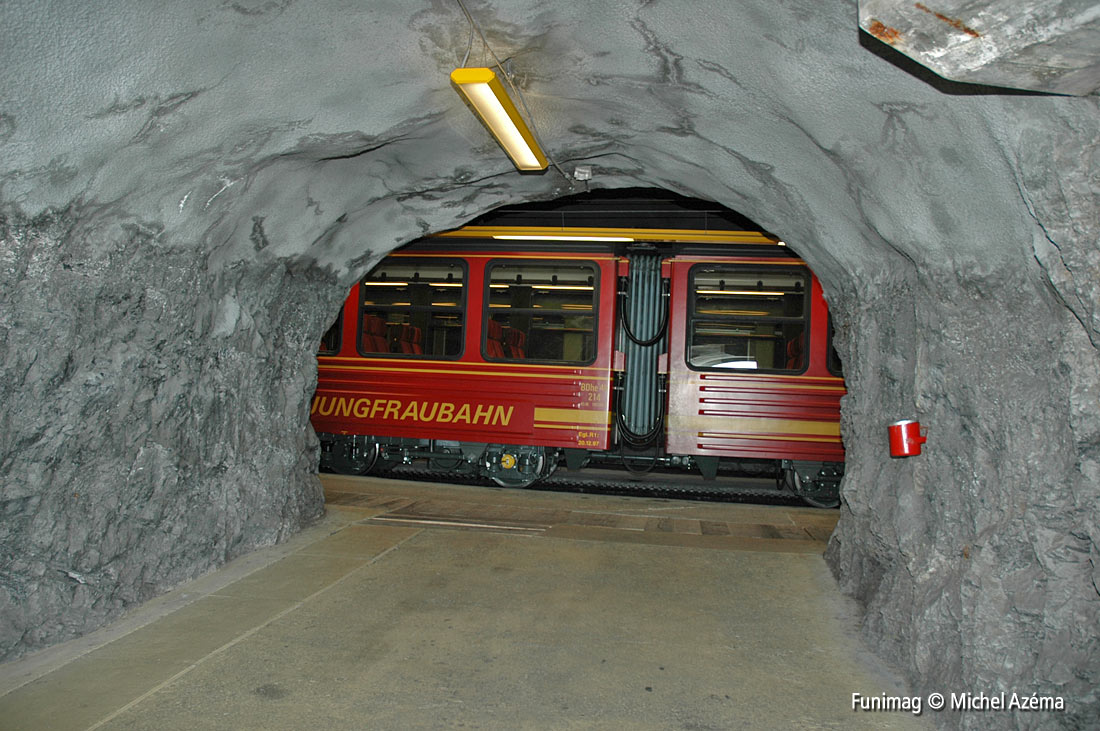
    The SWISSCOM railway and funicular at the Jungfrau / Le chemin de fer et le funiculaire SWISSCOM à la Jungfrau

    A real funicular at the Jungfrau ! / Un vrai funiculaire à la Jungfrau!


  • Quiz #25

    This photo needs a caption… could you help ? (click on the pict to enlarge)

    Cette photo a besoin d’une légende… pouvez vous l’aider? (cliquer sur la photo pour l’agrandir)

  • Serfaus 2008

    On the way to Austria / Sur le chemin vers l’Autriche

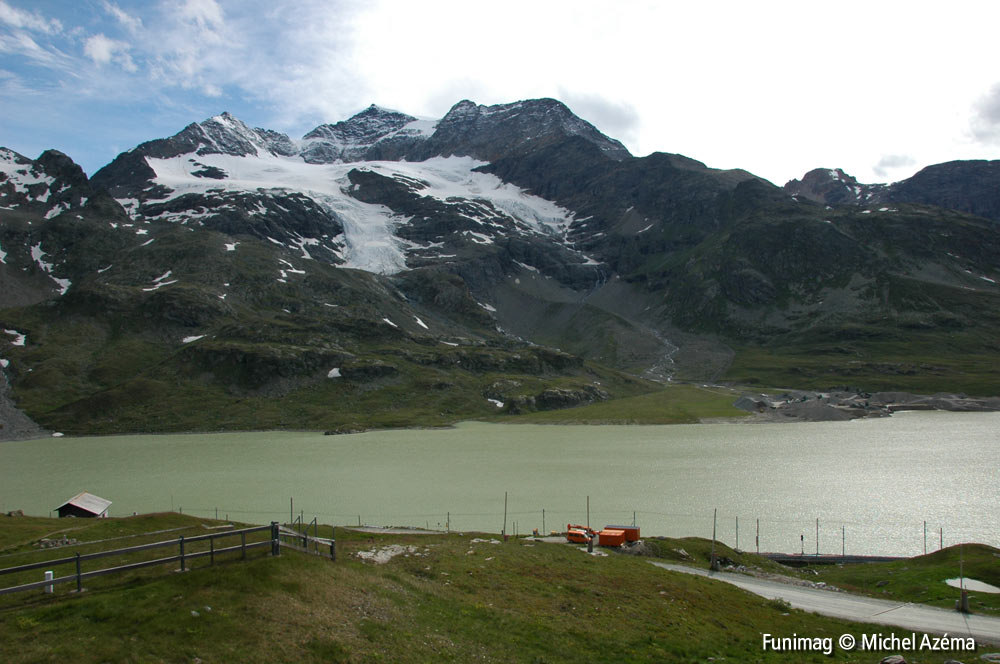
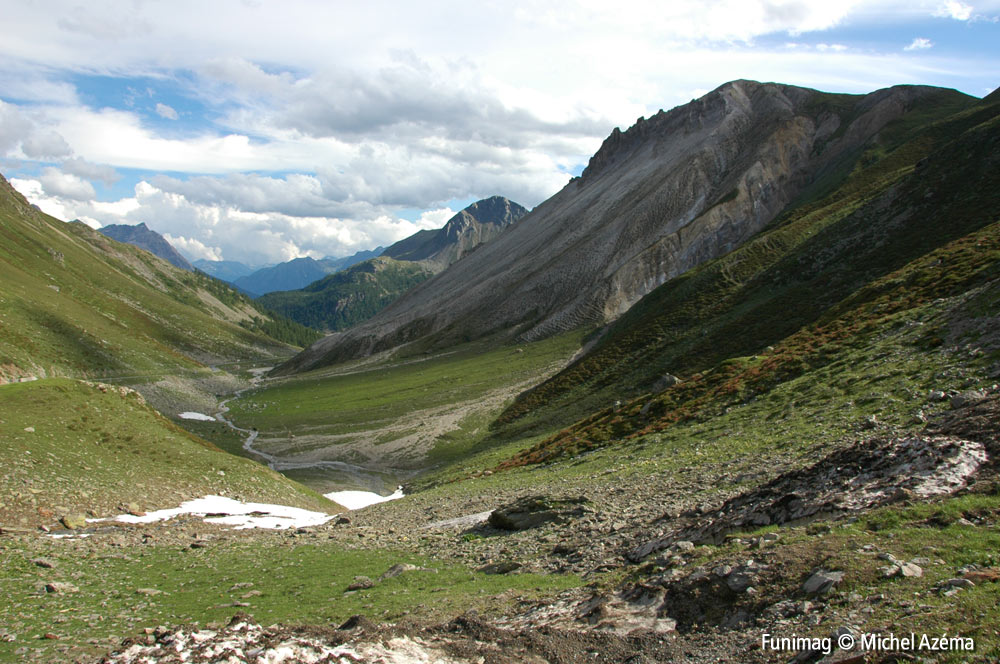
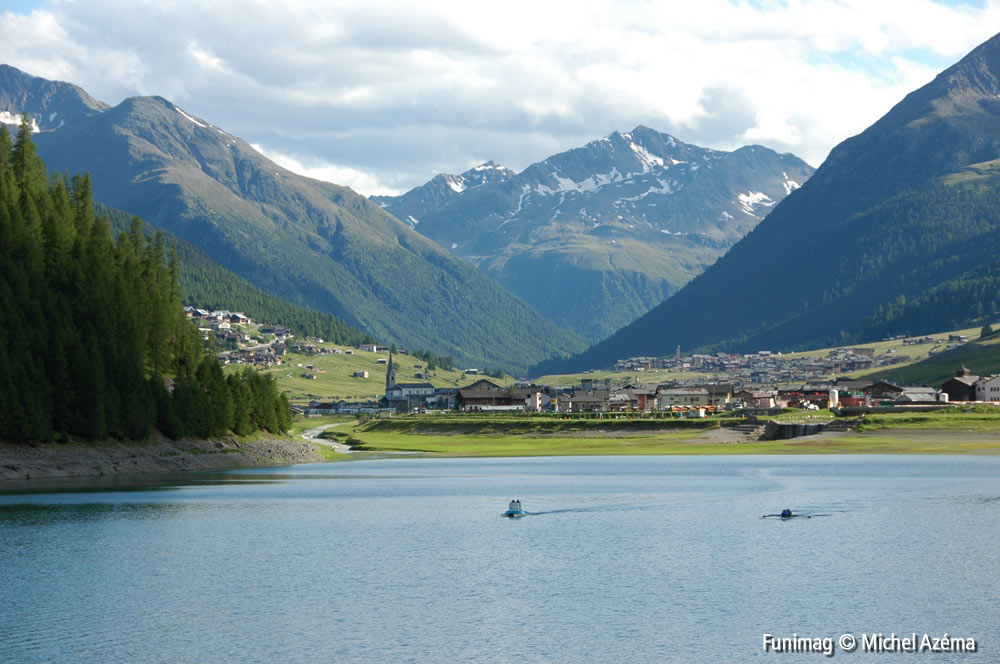
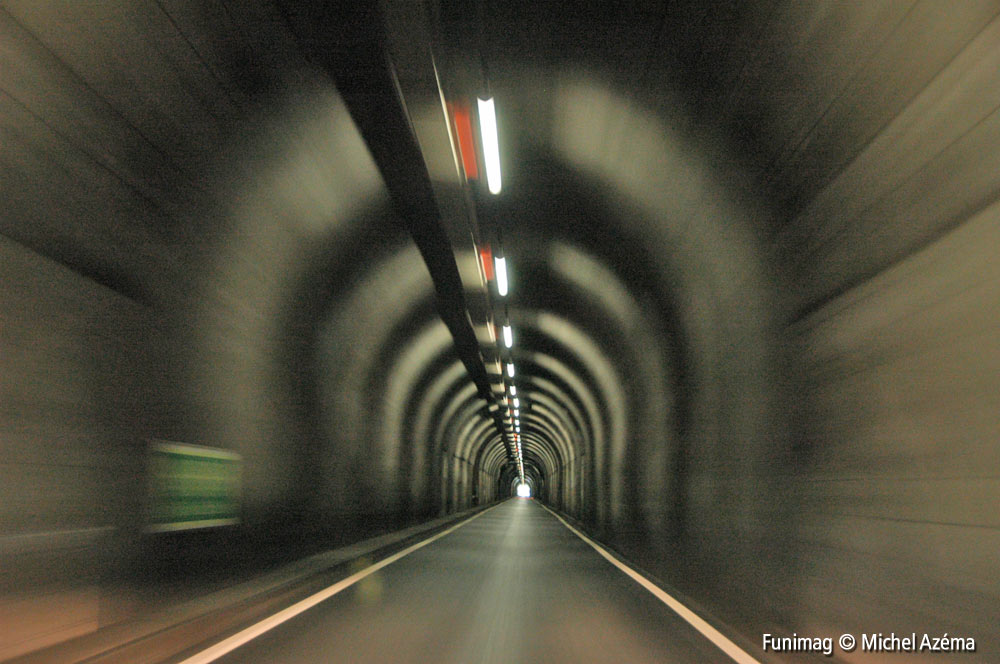
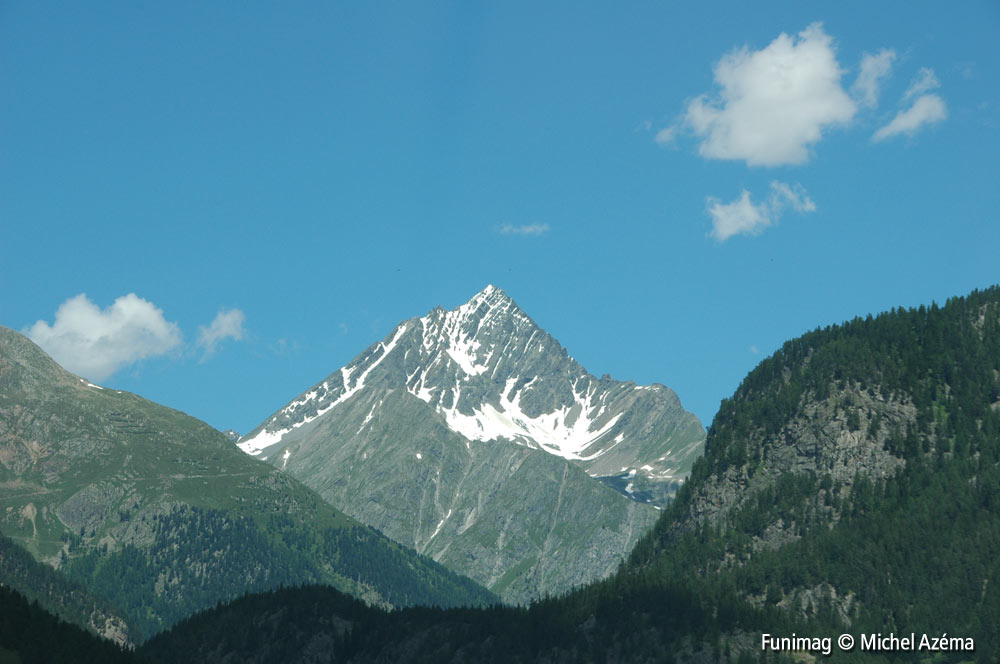
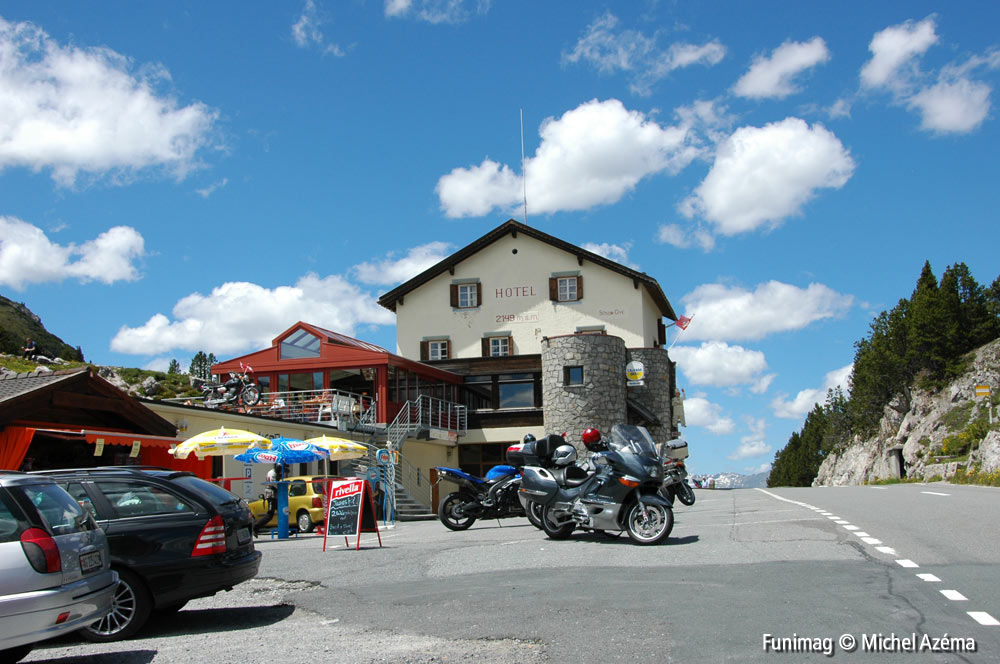
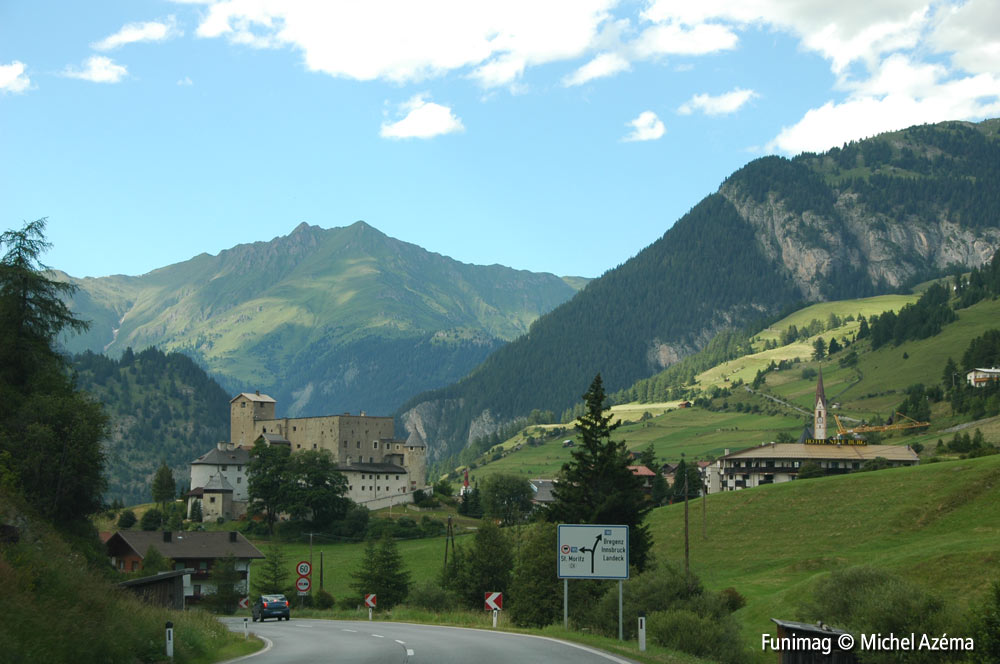
    July 2008, from Samedan (Switzerland) to Innsbruck ( Austria) via the Berninapass, lago di Livigno (Italy), Val dal Spöl, Val Münstair (Switzerland, Val Venosta (Italy), Reschensee… and descent of the Inn valley…
    Juillet 2008, départ de Samedan (Suisse) à destination d’Innsbruck (Autriche) en passant par le col de la Bernina, le lac de Livigno (Italie), Val dal Spöl, Val Münstair (Switzerland, Val Venosta (Italy), Reschensee… et descente de la vallée de l’Inn…

    Serfaus

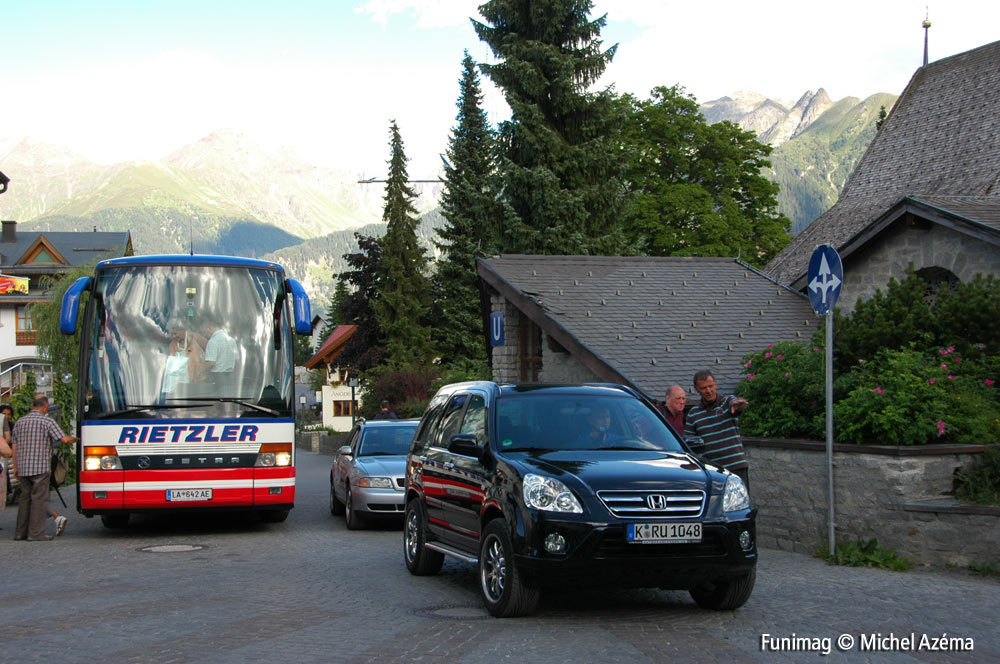
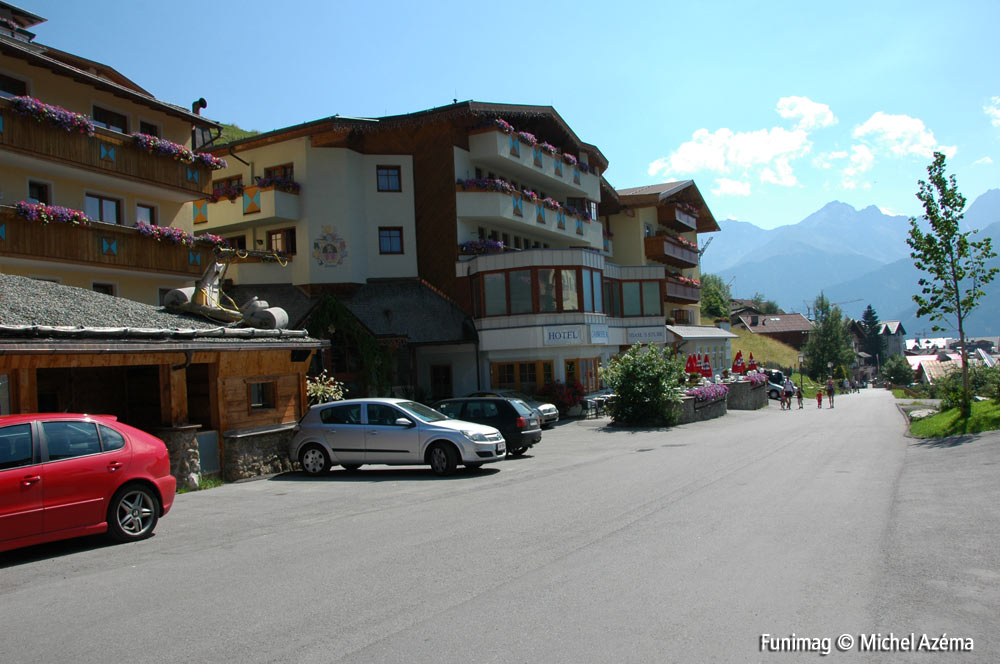
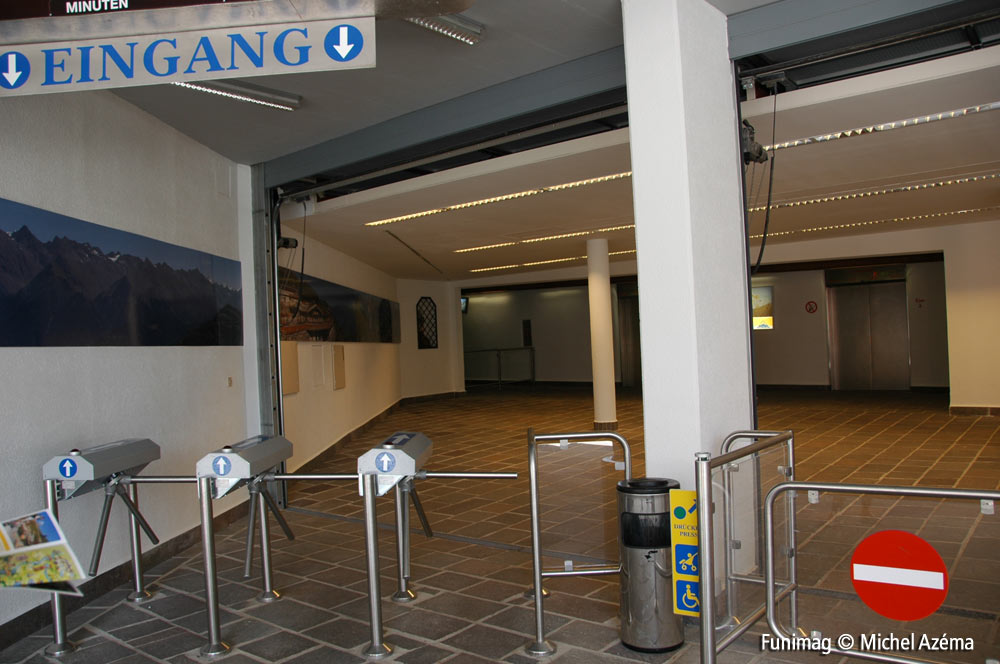
    It was the opportunity to have a visit to Serfaus which is located just above the Inn valley. It was my second visit to Serfaus, ten years after my first visit in 1998! See my article about Serfaus and its small subway.
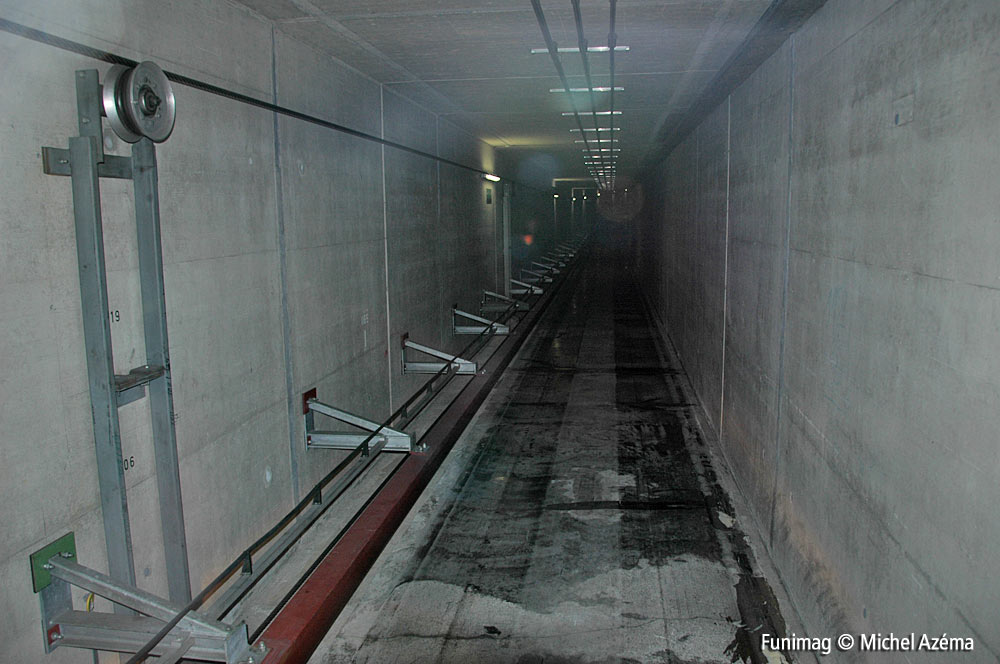
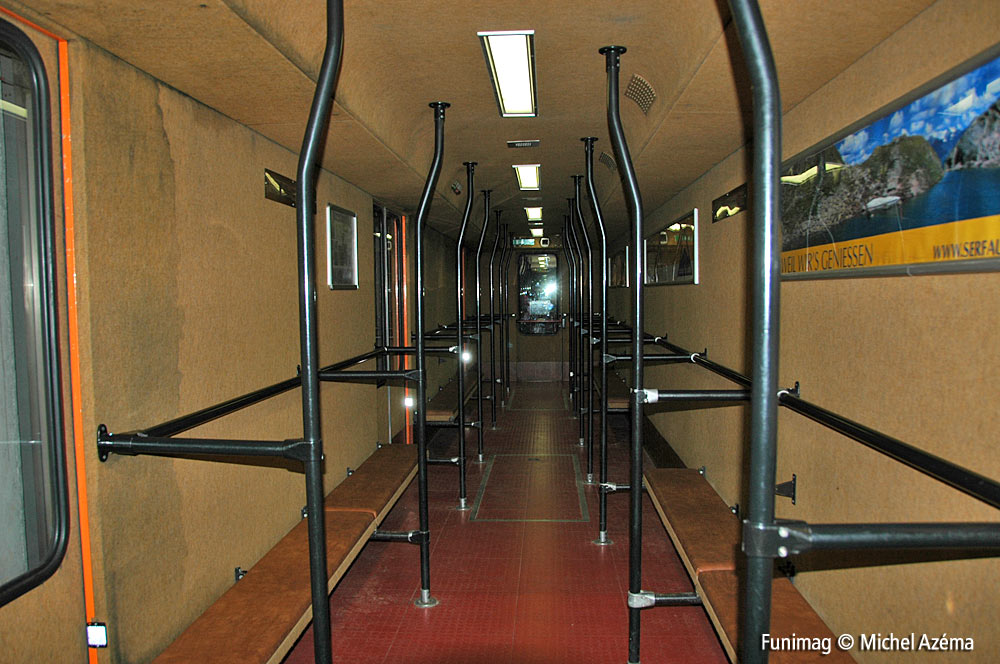
    I remember you that this small ski resort has, since 1985, the smallest subway of the world which is a free cable hauled subway moving on air cushion!
    C’était l’opportunité de faire une petite visite à Serfaus qui est situé juste au dessus de la vallée de l’Inn. Ma seconde visite à Serfaus, dix ans après celle de 1998! Voir mon article sur Serfaus et son petit métro.
    Je vous rappelle que cette petite station de sports d’hiver possède, depuis 1985, le plus petit métro du monde qui est un métro gratuit à câble et qui circule sur coussins d’air!


    See also / voir aussi: Dorfbahn Serfaus (1998)


  • Solution of Quiz #24

    Well… I see that you are not familiar with Google Streetview!

    The solution of Quiz #24 is 35° 0’26.26″N / 85°20’15.93″O or 918 Scenic Highway, Chattanooga, Tennessee (USA)

    It is the location where the Scenic Highway is passing over the Lookout Mountain Incline! The sign indicates a small souvenir shop from where you can SEE INCLINE HERE… you cannot take the incline there, just see it passing behind the cafe and under the road…

    Here is the real Streeview… drag the photo below and you have a 360° view… you may also decide to follow the white arrows on the road and then visit all the area!

    A ce que je vois vous n’êtes pas encore familier avec Google Streeview!

    La solution du Quiz #24 est 35° 0’26.26″N / 85°20’15.93″O ou 918 Scenic Highway, Chattanooga, Tennessee (USA)

    C’est l’endroit précis où la route Scenic Highway passe au dessus du funiculaire Lookout Mountain Incline! L’enseigne indique un parking et une petite boutique de souvenirs d’où l’on peut voir passer le funiculaire (‘SEE INCLINE HERE’) derrière le café et sous la route… vous ne pouvez pas le prendre depuis cet endroit…

    Ci-dessous voici la vraie vue Streetview… passez la souris sur la photo et faites la glisser (drag) et vous aurez une vue panoramique 360° de l’endroit… vous pouvez aussi décider de visiter la région en suivant les flèches blanches tout au long de la route! Génial non?


    View Larger Map


    Here is the Chattanooga Lookout Mountain Incline from the location of Quiz #24!


  • Du plomb dans l’aile du funiculaire à vélo de Lyon!

    Le projet du funiculaire à vélo, et piétons, proposé par Gérard Collomb le maire de Lyon (voir article), semble avoir pris un gros coup de plomb dans l’aile!
    En effet, les 15 millions d’euros nécessaires pour la construction de ce funiculaire dans l’ancien tunnel de la Ficelle de la rue Terme à la Croix Rousse, paraissent maintenant trop cher!
    Des solutions moins chères sont encore étudiées comme le retour de l’ascenseur à vélo Trampe qui est actuellement en service à Trondheim en Norvège (voir article).
    Personnellement j’ai tendance à penser que l’ascenseur à vélo de Trampe ne me semble pas adapté au tunnel de la Croix Rousse. La longueur maximum d’un ascenseur à vélo Trampe est actuellement limitée à 400 mètres. Or le tunnel de la Croix Rousse fait 500 mètres ce qui obligerait d’installer 2 ascenseurs bout à bout. En supposant même que Trampe améliore son système pour porter la longueur maximum à 500 mètres, j’ai du mal à imaginer les cyclistes utiliser un tel ascenseur en maintenant une jambe raide sur la pédale motrice pendant 500 mètres! Non pas que ce soit dangereux mais plutôt que seules les personnes un peu sportives pourront tenir la distance sans flancher… sans compter que la pente du tunnel n’est pas négligeable… 16% tout de même!
    Mais bon… Trampe semble actuellement en train de travailler sur une nouvelle génération de son système afin de pouvoir desservir deux nouvelles collines également à Trondheim dont l’une d’entre elles nécessitera un ascenseur long de 600 mètres…

    Alors, le projet du vrai funiculaire avec deux cabines pour vélos et piétons est-il définitivement enterré ou reporté à des temps meilleurs… après la crise?
    L’ascenseur à vélo façon Trampe va-t-il faire un retour fracassant?
    A suivre…


    Articles associés:

    Lyon: un funiculaire à vélo dans le tunnel de la rue Terme à la Croix Rousse ?!!!

    Des “remonte-pentes” pour vélos dans Paris?

    Trampe